People quit nicotine pouches for money, for control over their day, and for their sleep, mouth and fitness, and some simply want to stop depending on something. Each reason below comes with what the evidence says, including where it is thin, so you can decide which ones matter to you.
The reasons at a glance
| Reason | What the evidence says | How strong it is |
|---|---|---|
| Money | The average US store price was 22 cents a pouch in May 2024, in June 2021 dollars1 | Solid for the US; your own price varies |
| Control | Pouches can contain high levels of a highly addictive chemical2 | Solid |
| Stress | In smokers, stopping led to lower stress3 | A review in smokers; health-service advice for snus |
| Sleep | Nicotine use is linked to poorer sleep4 | Mostly smokers; mixed for snus |
| Mouth and gums | Sweden’s health service lists healthier gums after quitting5 | Health-service advice; little pouch research |
| Fitness | Most studies found no performance gain from nicotine6 | Small studies |
Money
Pouches are cheap one at a time and expensive over a year. In US stores tracked by NielsenIQ, the average pouch cost 22 cents in May 2024, expressed in June 2021 dollars, so the real shelf price was higher1. A 20-pouch can at that price comes to about $4.40, and ten a day adds up to roughly $800 a year. Prices differ a lot by brand, state and shop, so run your own numbers in the pouch cost calculator.
Sweden’s 1177 health guide puts money on its list too: quitting snus improves your health and your finances, and frees you from a dependence7.
Control and dependence
For some people this is the main reason. They notice that the first pouch goes in before they are fully awake, or that they plan their day around the can. The CDC says nicotine pouches can contain high levels of nicotine, which it calls a highly addictive chemical2. In a 2025 survey of Danish pouch users aged 15 to 29, about 82% said they felt addicted, and about 45% said very addicted8. In a survey of 560 pouch users in Saudi Arabia who had once smoked, about 65% had their first pouch within 30 minutes of waking9.
If you are not sure where you stand, the starting point score and Am I addicted to Zyn? can help you look at it honestly.
Stress and steadier energy
Pouches can feel calming. Research in smokers suggests much of that calm is relief from the tension that builds up between doses, and that stopping leads to lower stress3. Sweden’s health service says that after quitting snus or white snus, you may notice you feel more relaxed even without nicotine5.
Steadier energy is a common hope. The evidence is thinner here. The main review of withdrawal research found that tiredness is not a reliable withdrawal effect10, and we found no study measuring energy in people who quit pouches. If you hope for steadier days, give it a few weeks past withdrawal before you judge.
Sleep
Nicotine may cost you sleep. A review of studies in people and animals linked nicotine use to taking longer to fall asleep, more broken sleep and less deep sleep4. Sweden’s health service lists better sleep among the changes after quitting snus5.
Two honest caveats. Sleep usually gets worse before it gets better: poor sleep is a known withdrawal symptom that peaks in the first week and lasts 2 to 4 weeks, in studies of smokers10. And in a large Swedish survey, former snus users were more likely than people who never used snus to wake in the night11. That shows a link, not that quitting causes it. Nicotine and sleep goes into more detail.
Your mouth and gums
Some people first think about quitting when they look at the spot where the pouch sits. Sweden’s health service says that after quitting tobacco snus or white snus, your gums become healthier with less risk of inflammation, and your mouth is less dry5. Research on pouches themselves is limited. In one online survey of 118 US adults who used pouches, most of whom also smoked, 37% reported a sore mouth from pouches12. If something in your mouth worries you, a dentist can look at it. Mouth changes after quitting Zyn covers what people notice.
Fitness and sport
Some athletes use pouches for an edge. The evidence does not back that up. Of 10 studies of nicotine and exercise in one review, 2 found a benefit, 1 found worse performance and 7 found no change6. In a study of athletes who used snus, performance rose when they had snus after a night without it, which the authors suggest may simply be relief from withdrawal13. Zyn and exercise looks at training and quitting.
What is not known yet
Pouches are new, and long-term research is still thin. The FDA says there is no safe tobacco product, and that its authorization of Zyn does not mean Zyn is safe14. The NHS says there is not yet enough independent evidence on how safe pouches are in the short or long term15. The World Health Organization says pouches should not be considered risk-free16. For some people, not wanting to be part of that experiment is reason enough.
Family, freedom and the people around you
Other reasons need no study. Some people want to stop before their children notice. Some are tired of hiding the can at work or on a date. Some just want to stop thinking about the next pouch. In a Norwegian survey of snus users, younger people and those who worried about their own health were the most interested in quitting, and more than half had already tried17.
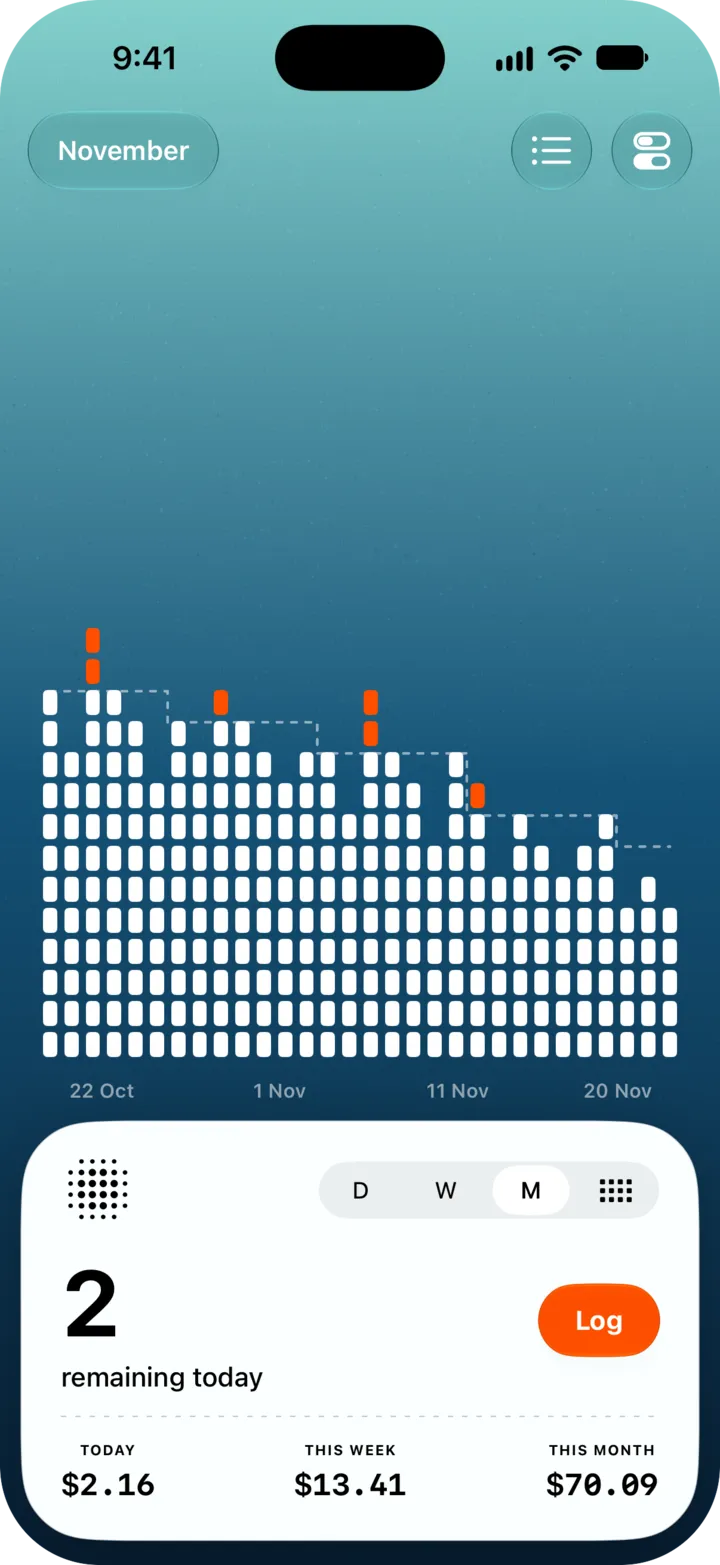
When you start, write down your top two reasons in your own words and keep them where you will see them. NoSnus asks for your reasons during setup and turns them into a commitment you can keep on your Home Screen as a widget. When you are ready, How to quit nicotine pouches walks through the first steps.