In the first 24 hours after your last pouch, cravings commonly start within an hour or two and keep coming, and within that first day you may feel tense and agitated1. Withdrawal can begin within a few hours, but day 1 is usually when it builds, not when it peaks. Health services put the hardest stretch in the first 3 days2.
Most of what is known comes from people who quit smoking. Sweden’s health service describes withdrawal for snus users in the same terms3. Research that follows people quitting nicotine pouches is still scarce, and people differ a lot in how withdrawal feels4. Read the timings below as commonly reported ranges, not a schedule. The days without nicotine tool shows where you are if you count from a different start time.
Your first 24 hours, hour by hour
| Time since your last pouch | What is commonly reported | Who it was measured in |
|---|---|---|
| 0 to 2 hours | Nicotine in your blood falls by about half every 2 hours. The first cravings can start in this window. | Smokers and pouch studies56; cravings: all tobacco users1 |
| 4 to 24 hours | Withdrawal symptoms commonly begin somewhere in this range in long-term users. | Clinic guidance for all nicotine users7 |
| By the end of day 1 | Feeling tense or agitated, with tight muscles, especially in the neck and shoulders. | Written for all tobacco users1 |
| By the end of day 1 | Low mood, if it comes, usually starts within the first day. | Written for all tobacco users1 |
| About 24 hours | Craving and withdrawal scores go up, and reaction time slows. | 40 US moist-snuff users in a lab8 |
The last row is the closest thing to pouch data for day 1: a small lab study of people who use moist snuff, a tobacco product also held in the mouth. Even one day without it was enough to raise craving and slow reactions8. Plan for a day when you are a little slower and less patient than usual.
Why day 1 feels like this
If you use pouches every day, your brain is used to a steady supply of nicotine. When the supply stops, withdrawal follows3. A review of pouch research found that pouches can deliver enough nicotine to cause dependence9, so expect real withdrawal, not only a habit to break. Pouch nicotine leaves the blood about as fast as nicotine from smoking: a review of pouch trials found the half-life similar for both, and one trial measured about 2.2 to 2.8 hours for pouches6.
A pouch can feel calming, and that is part of what makes day 1 hard. In studies of smokers, much of that calm turned out to be the end of the tension that had built up since the last dose10. The edgy feeling you get today is withdrawal. It is uncomfortable, and it is temporary11.
A plan for getting through day 1
- Clear out every pouch. Check pockets, the car, your desk and your bag. In a real-time study of smokers, slips were more likely when cigarettes were easy to get12.
- Plan the first half hour after waking. About 80% of the snus and smokeless tobacco users in a Nordic quit trial reached for it within half an hour of waking13. Decide now what fills that half hour instead. The guide to the first pouch of the day has ideas.
- Expect each craving to pass. Swedish health guidance puts a typical snus craving at 20 to 30 seconds3. The NHS says a craving usually lasts a few minutes, so keep a distraction ready14. Australia’s quitline suggests putting off acting on it for 5 minutes15.
- Breathe slowly. Take 10 slow breaths, in by the nose and out slowly by the mouth1.
- Move. Walking around the block or climbing a few flights of stairs can break a craving’s hold16. In studies of smokers, the evidence that short bouts of activity cut cravings is strong17.
- Keep your mouth busy. Carrots, apples, celery, sugar-free gum or hard candy keep your mouth busy, which may ease the urge1. A glass of water helps too3.
- Go easy on caffeine if you feel jittery. Smokefree.gov suggests water instead18. You do not have to give up coffee, but changing where or how you drink it can help break the link with a pouch1.
- Skip alcohol for now if drinking and pouches go together for you. 1177 gives the same advice to people quitting snus3.
Your first night
Trouble sleeping is one of the common withdrawal symptoms listed for people quitting snus3. In studies of smokers, sleep problems peak within the first week and last 2 to 4 weeks19, so a restless first night is common. Tonight, go to bed at your usual time, keep your phone and other screens out of the bedroom, and limit caffeine, alcohol and big meals close to bedtime11. If sleep is the hard part for you, can’t sleep after quitting nicotine goes further.
If you have a pouch on day 1
Norway’s health portal advises not taking even one, because that is the best way to keep the craving from growing20. If it happens anyway, the NHS calls a single slip a lapse, not a relapse21. Figure out what triggered it and start again straight away, today or tomorrow at the latest22. The guide on having a pouch after quitting covers the next steps.
Stopping at once or stepping down
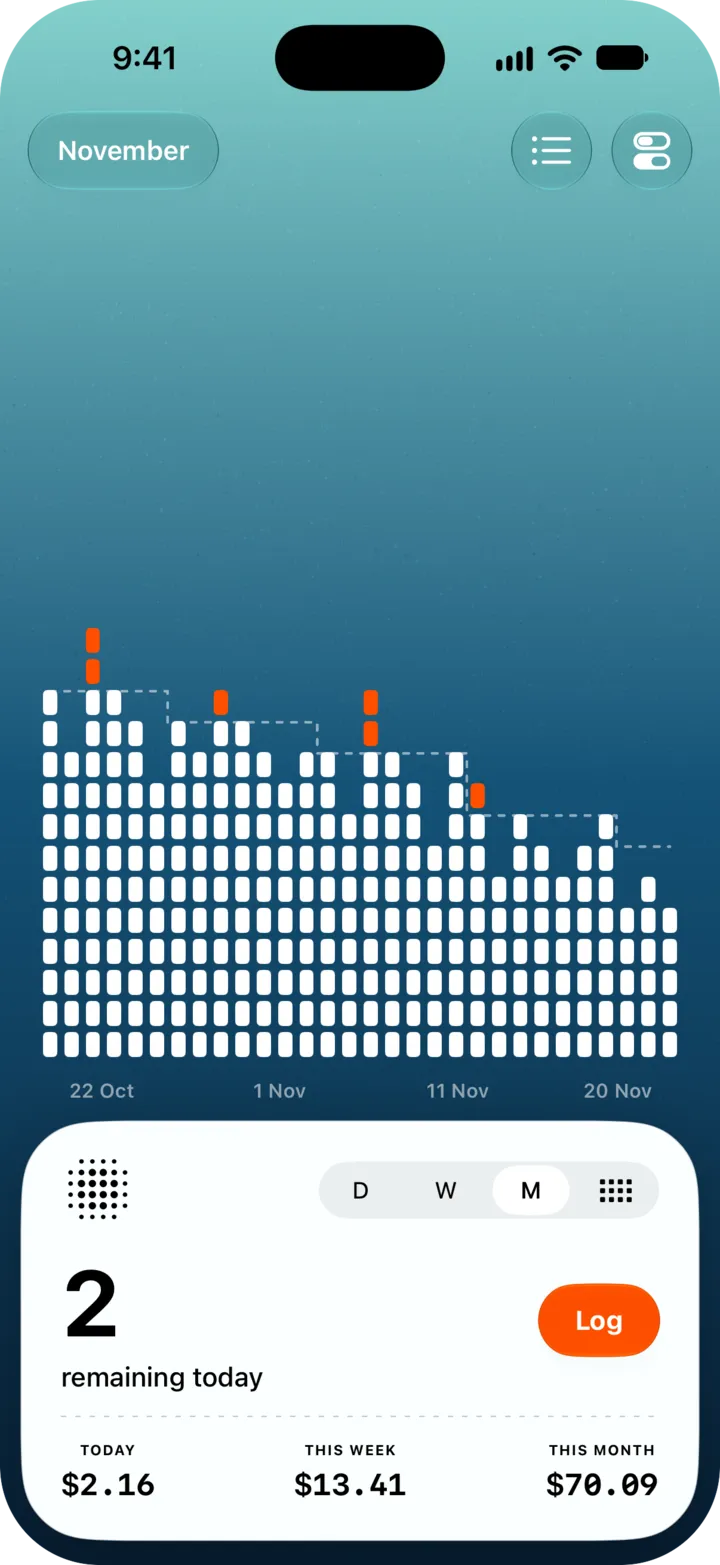
Everything above assumes you stopped all at once. If day 1 of cold turkey is not the right move for you, cold turkey or taper compares it with cutting down first. NoSnus builds a step-down plan with a daily pouch limit, and you log each pouch against it.
When to get help
Some people feel low after they quit. If those feelings get worse or do not lift, tell a friend or family member and talk to a health professional. If you are in distress or having thoughts of suicide, contact a crisis line now11. Quitlines also give free coaching by phone23.
What comes next
Day 2 is often harder than day 1, because withdrawal is still building toward its usual peak on day 2 or 37. After the first 3 days, the strength of symptoms usually drops over the first month1. Read day 2 without nicotine tomorrow, or see the whole nicotine withdrawal timeline now.